
The 6 Best Pillows of 2026, Tested
Six weeks. Twenty testers. Six leading pillows across every category — memory foam, adjustable, down, cooling, ergonomic, and a budget challenger. The winner wasn't the most expensive, the most famous, or the one with the longest trial.
More from this issue
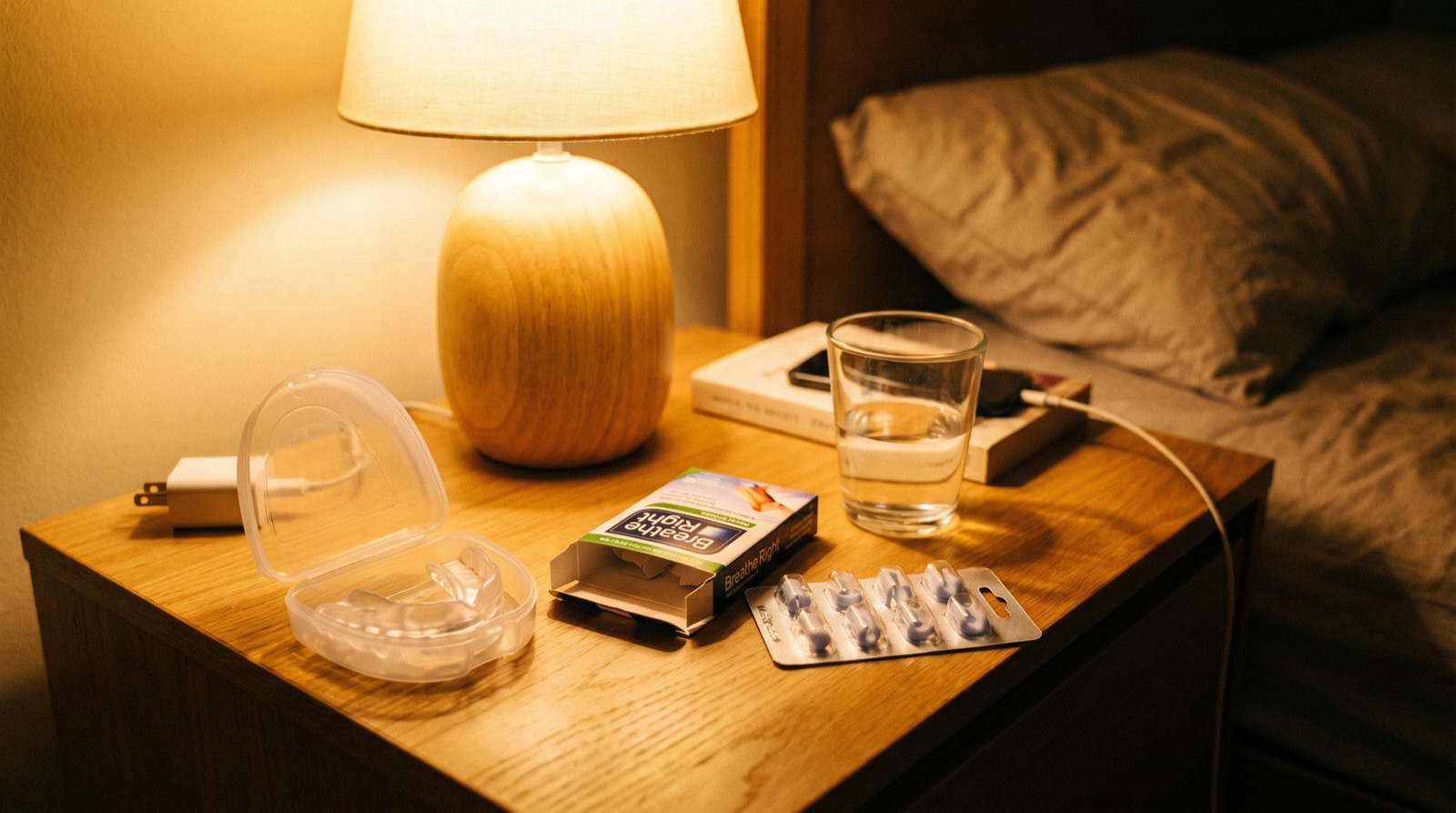
Best Anti-Snoring Products of 2026: 6 Tested
Mouthpieces, nasal dilators, strips, smart pillow systems — and the quiet alternative that outperformed every gadget in our six-week trial.
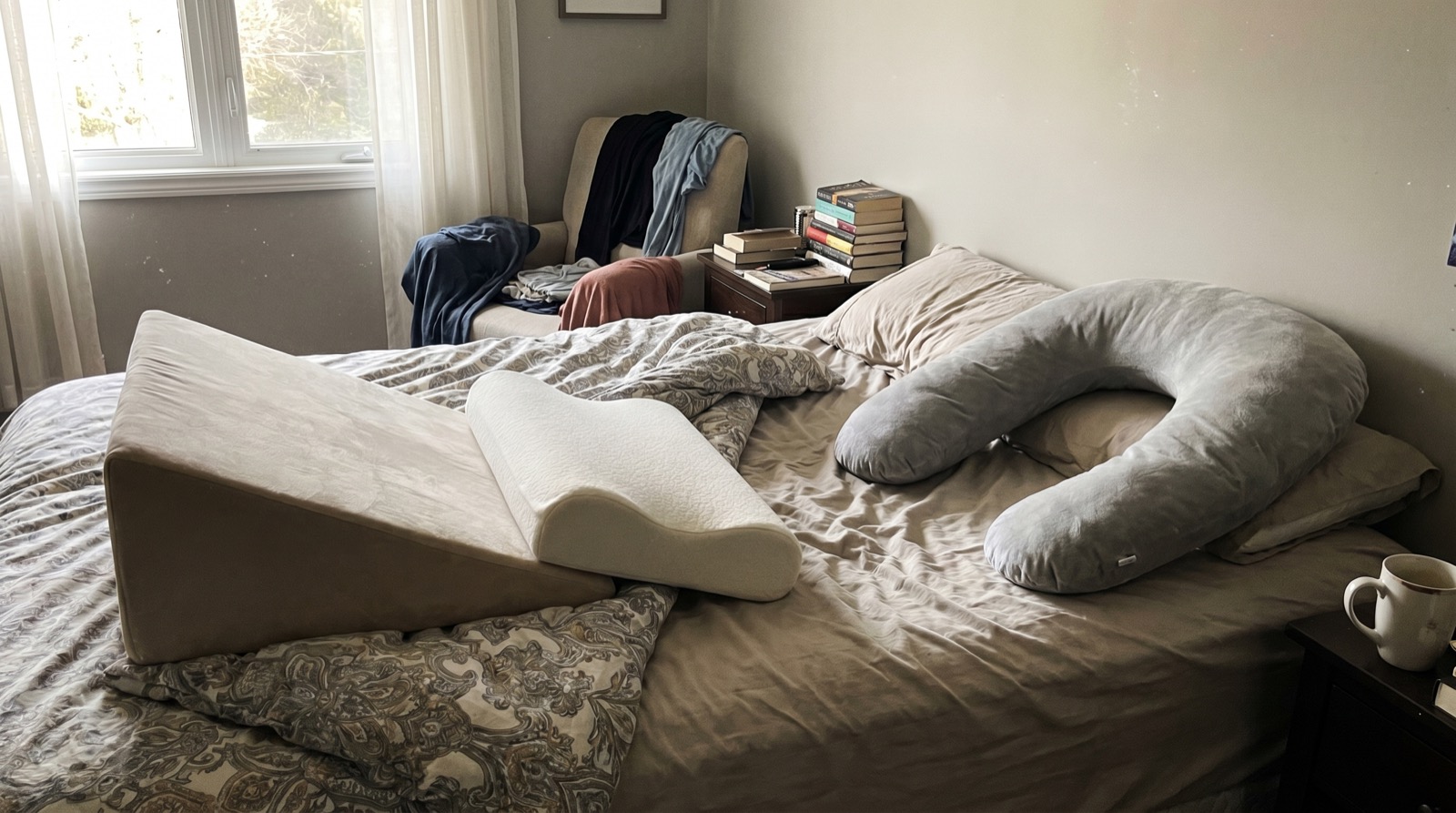
The 5 Best Anti-Snoring Pillows of 2026, Tested
Wedges, side-sleeper cubes, U-shapes, and contoured foam — five pillows that promise to quiet snoring, ranked honestly.
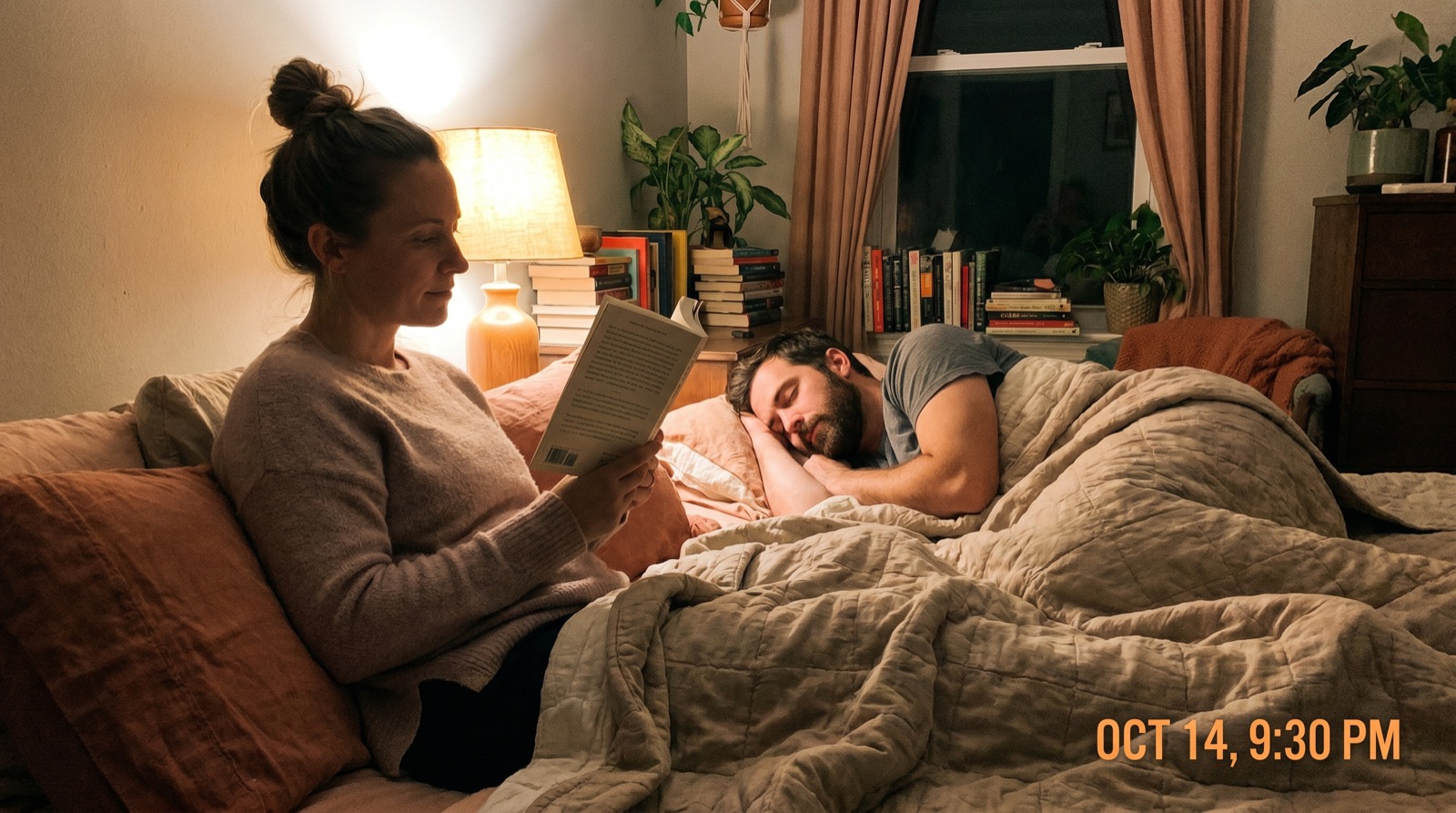
5 Best Anti-Snoring Solutions for Couples
When your partner's snoring is wrecking both your sleep — five tested options ranked for couples, no awkward mouthpieces.
For specific situations
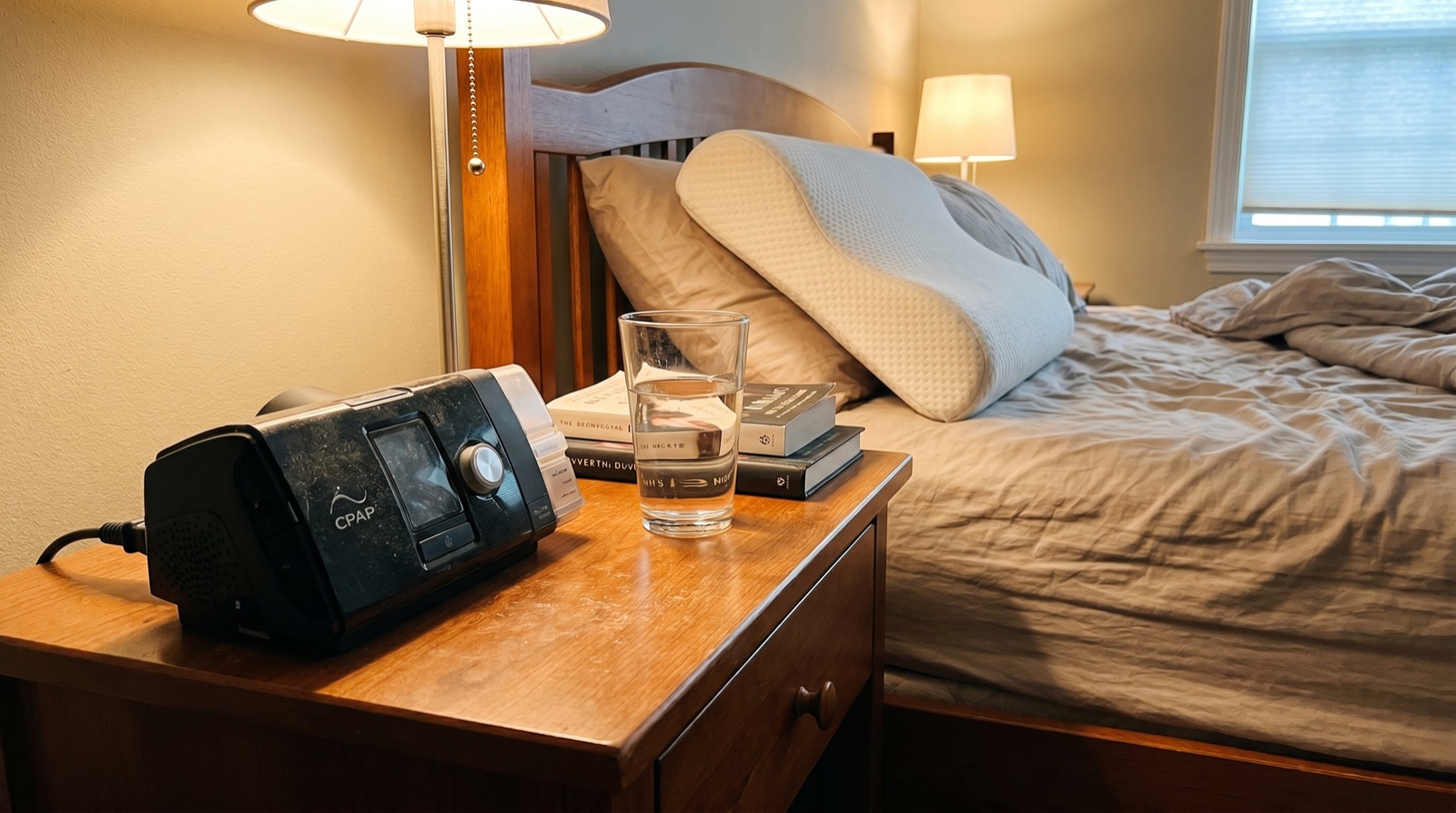
CPAP Alternatives: 5 Options to Try Before You Strap on a Machine
Five over-the-counter products our editors tested — and a clear warning about the symptoms that mean you should see a doctor instead.
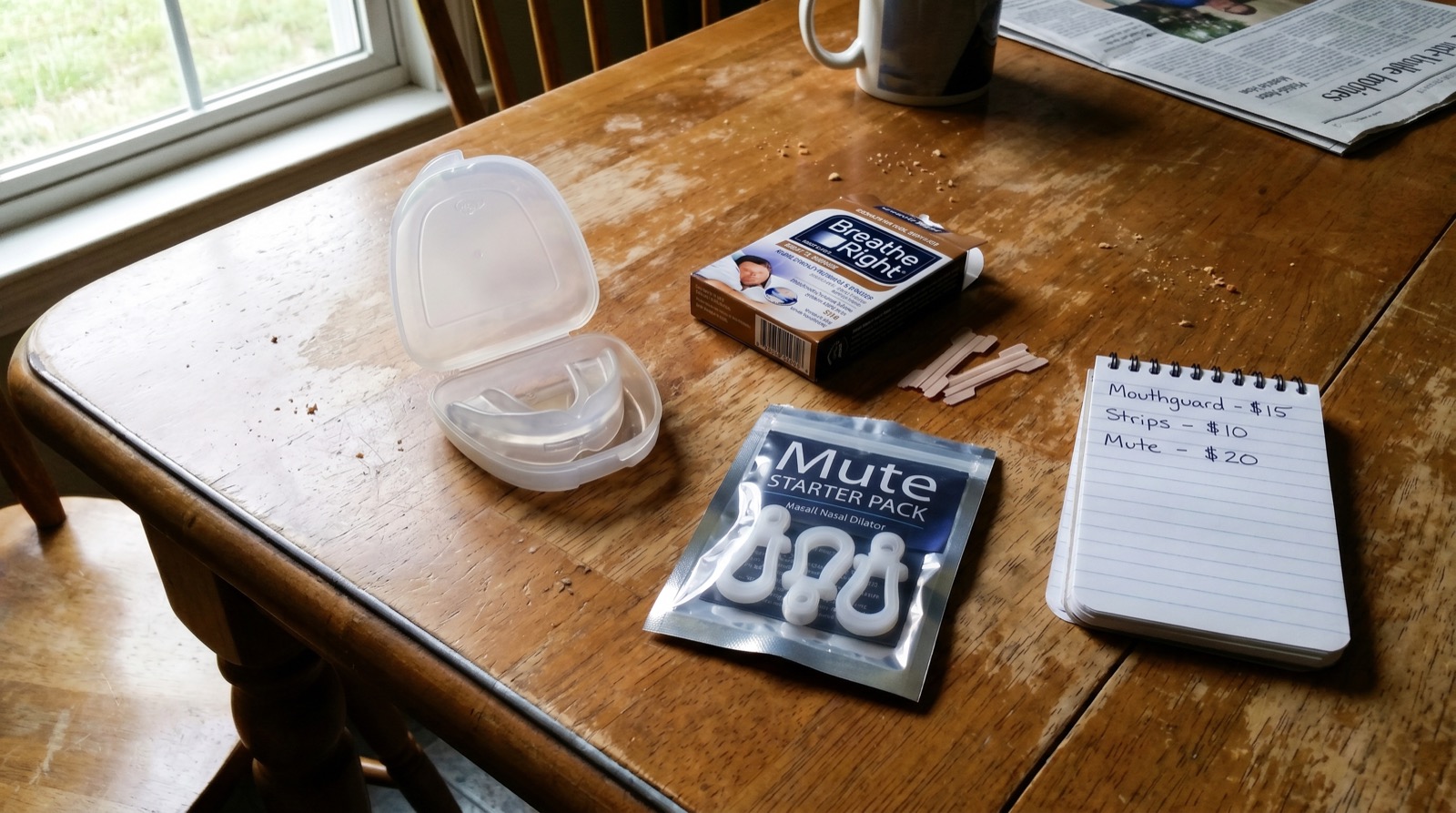
Best Anti-Snoring Solutions Under $100
Cheapest sticker prices are often the most expensive products over time. Five products under $100, ranked by what they actually cost you over a year.
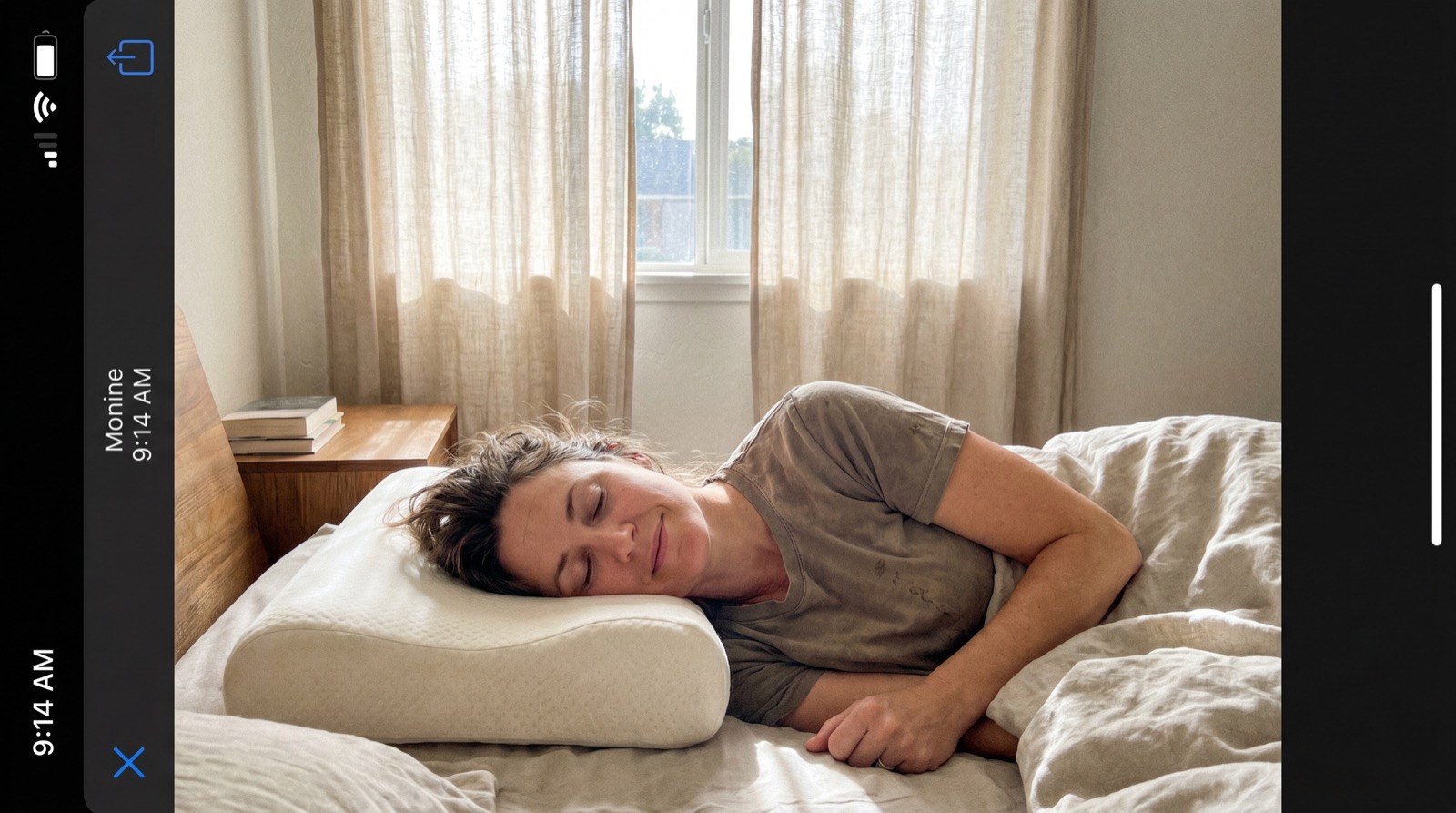
Best Anti-Snoring Solutions for Women
Most anti-snoring reviews skip the things women actually care about — jaw pressure, hair pull, skin irritation, reflux. Five options tested for what matters.
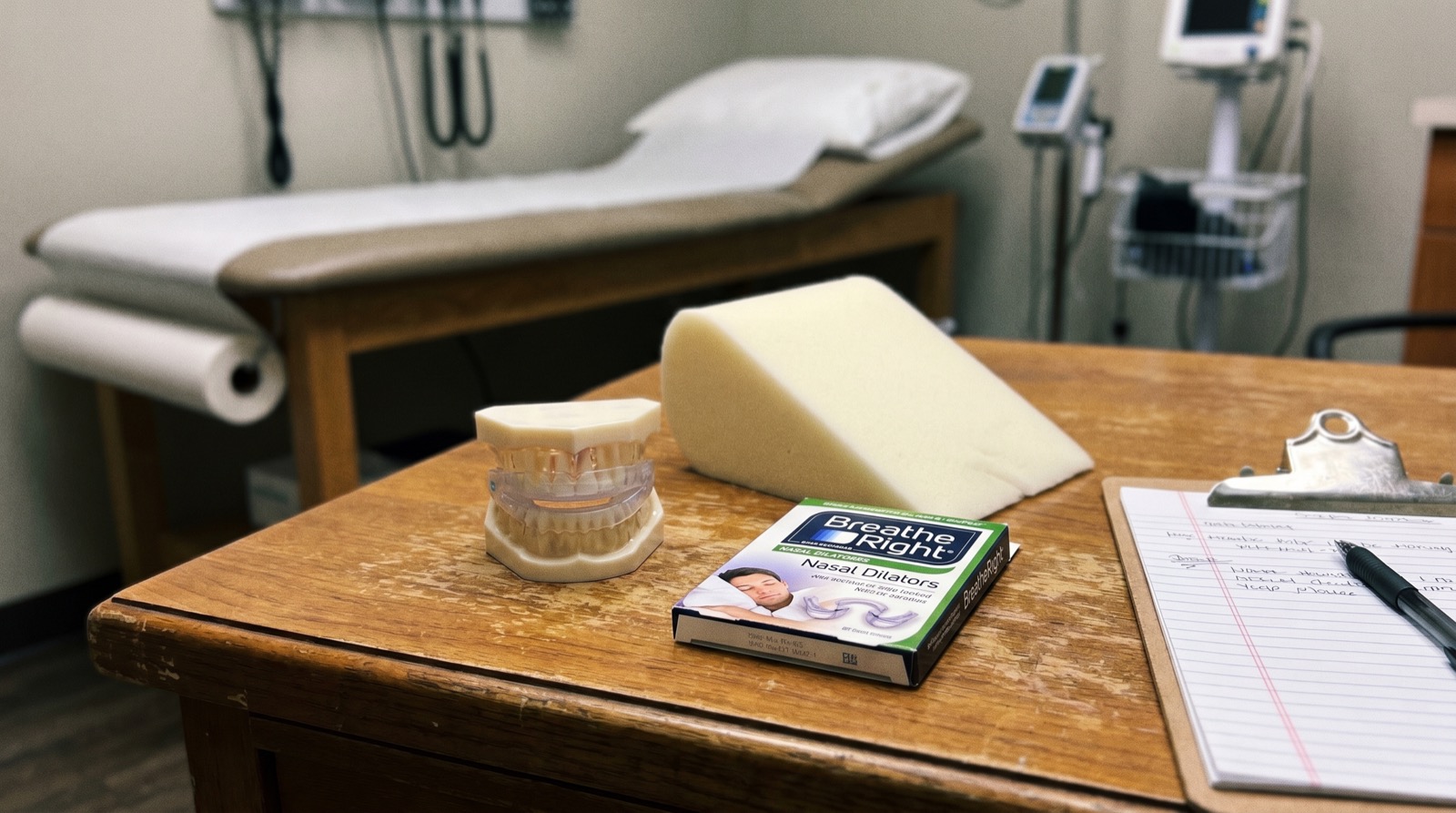
What Doctors Actually Recommend for Snoring
The escalation ladder sleep doctors recommend — five over-the-counter products ranked by clinical evidence, with clear warnings about when to stop trying and see a clinic.
Honest reviews. No kickbacks.
The Health Bulletin tests sleep and well-being products the way they're actually used — for weeks, with real testers, in real beds. We buy every product we review. No brand sees our scores before they go live.
When a brand we cover also funds our reporting, we say so out loud. Trust is the only thing a review publication has.